Floors and Walls That Handle Moisture
Tile Installation in Waterloo for bathrooms and kitchens exposed to freeze-thaw cycles and daily moisture
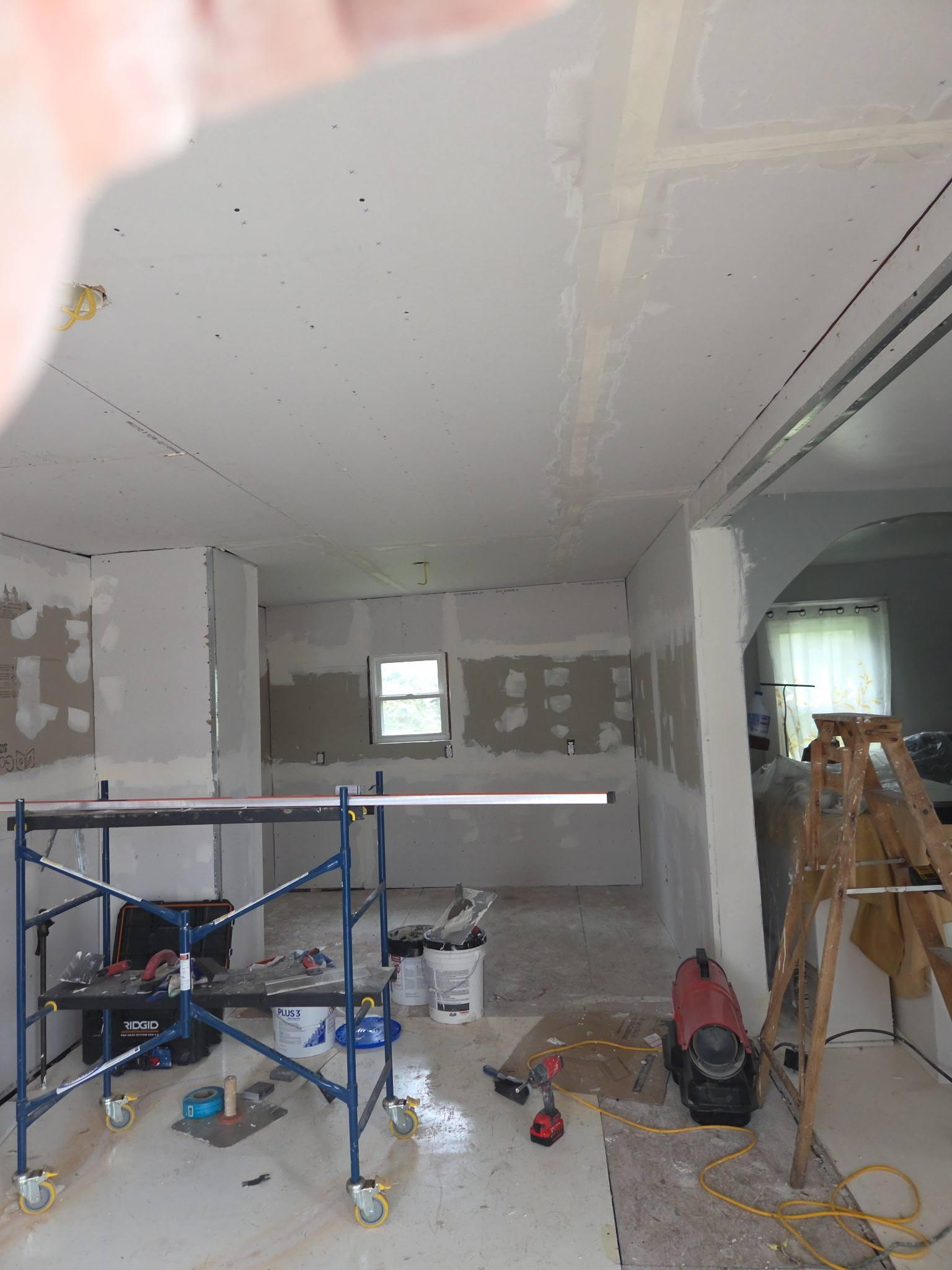
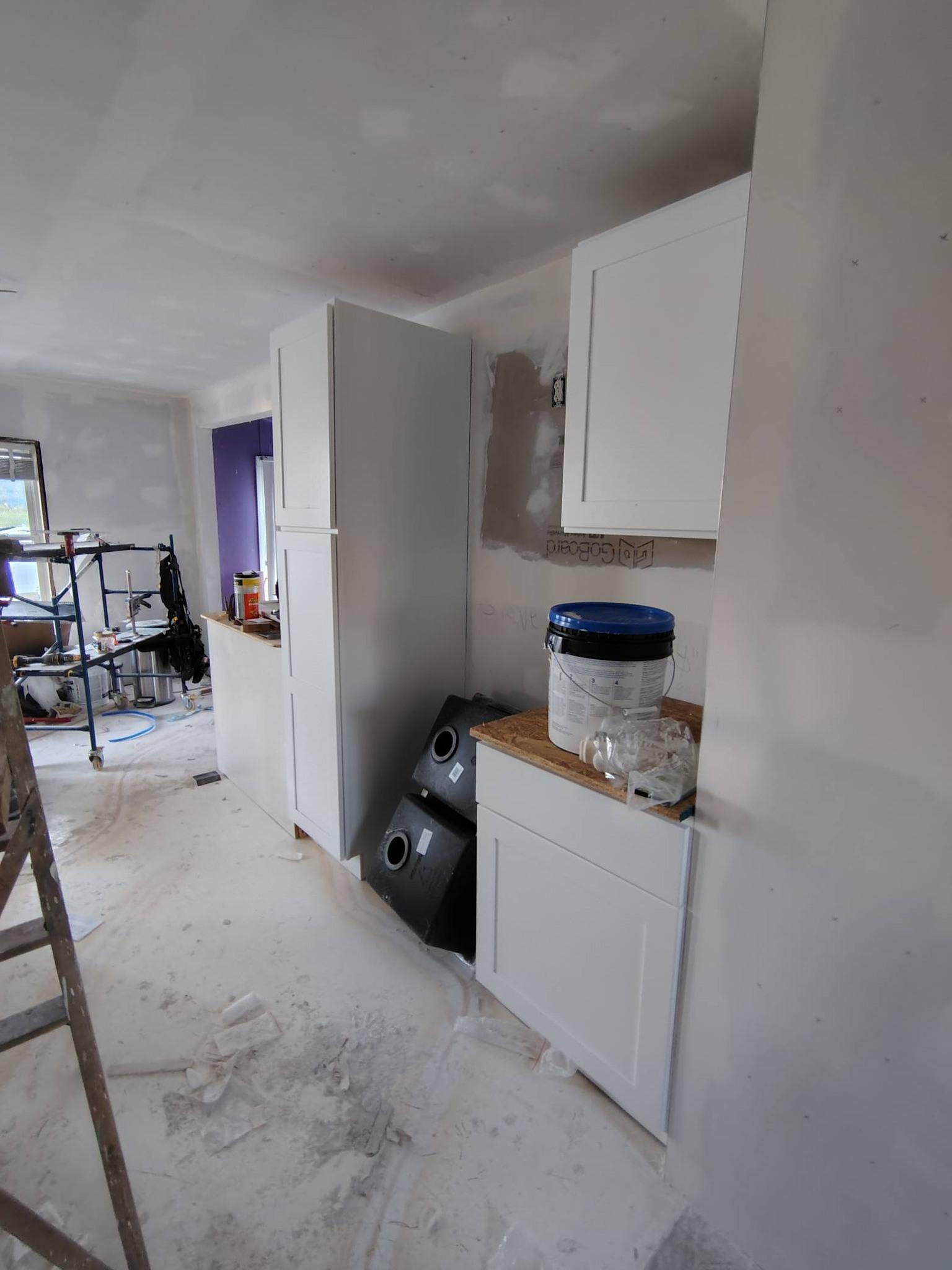
Country Dad's Construction handles tile installation for bathrooms, kitchens, and specialty applications in Waterloo, addressing moisture management and substrate stability in older homes. Many Waterloo-area properties built across different decades require updated wet-area materials that meet current code requirements and withstand regional temperature swings. The installation process starts with substrate assessment—checking whether existing underlayment can support tile weight and resist movement when exposed to water and seasonal temperature changes.
Proper tile work in this region requires selecting mortar and grout formulations rated for moisture exposure and freeze-thaw durability, especially in exterior entries, mudrooms, and unheated porches where temperature fluctuations stress grout joints. The substrate must be rigid enough to prevent tile cracking and properly waterproofed where water contact is routine. Installation integrates with plumbing rough-ins for shower valves and with electrical placement for in-floor heat or wall outlets, requiring coordination across trades before tiling begins.
Schedule a property evaluation to review substrate conditions and moisture exposure in your existing bathroom or kitchen layout..
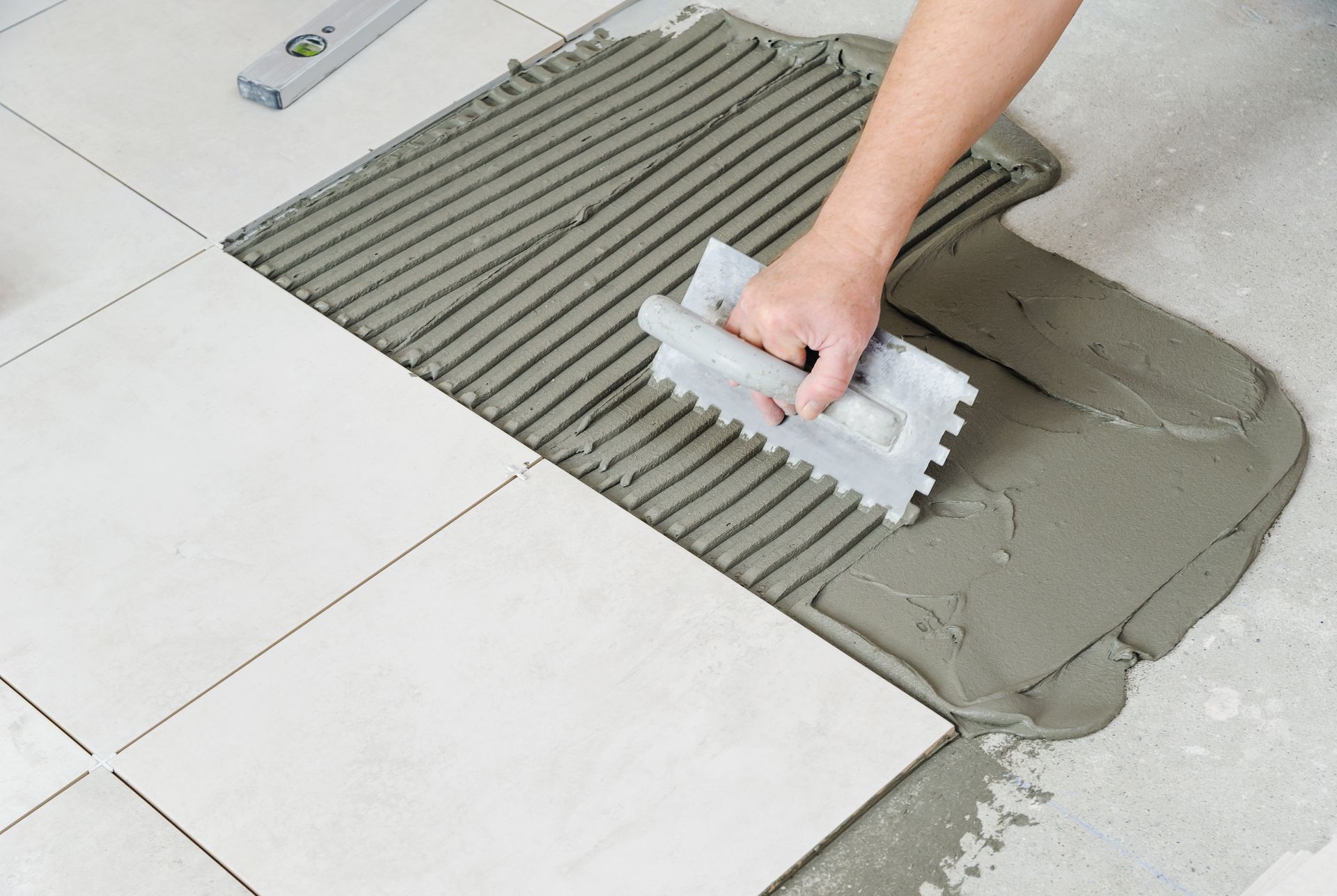
The prep work determines whether tile stays bonded long-term or develops hollow spots and cracks within a few seasons. Substrate assessment identifies whether plywood underlayment needs reinforcement, whether cement backer board is required for wet zones, and how existing framing affects deflection under load. Mortar selection depends on substrate type and expected moisture exposure—modified thin-set for wet areas, large-format tile demands specific formulations to prevent slippage, and grout joints are sized based on tile size and expected movement.
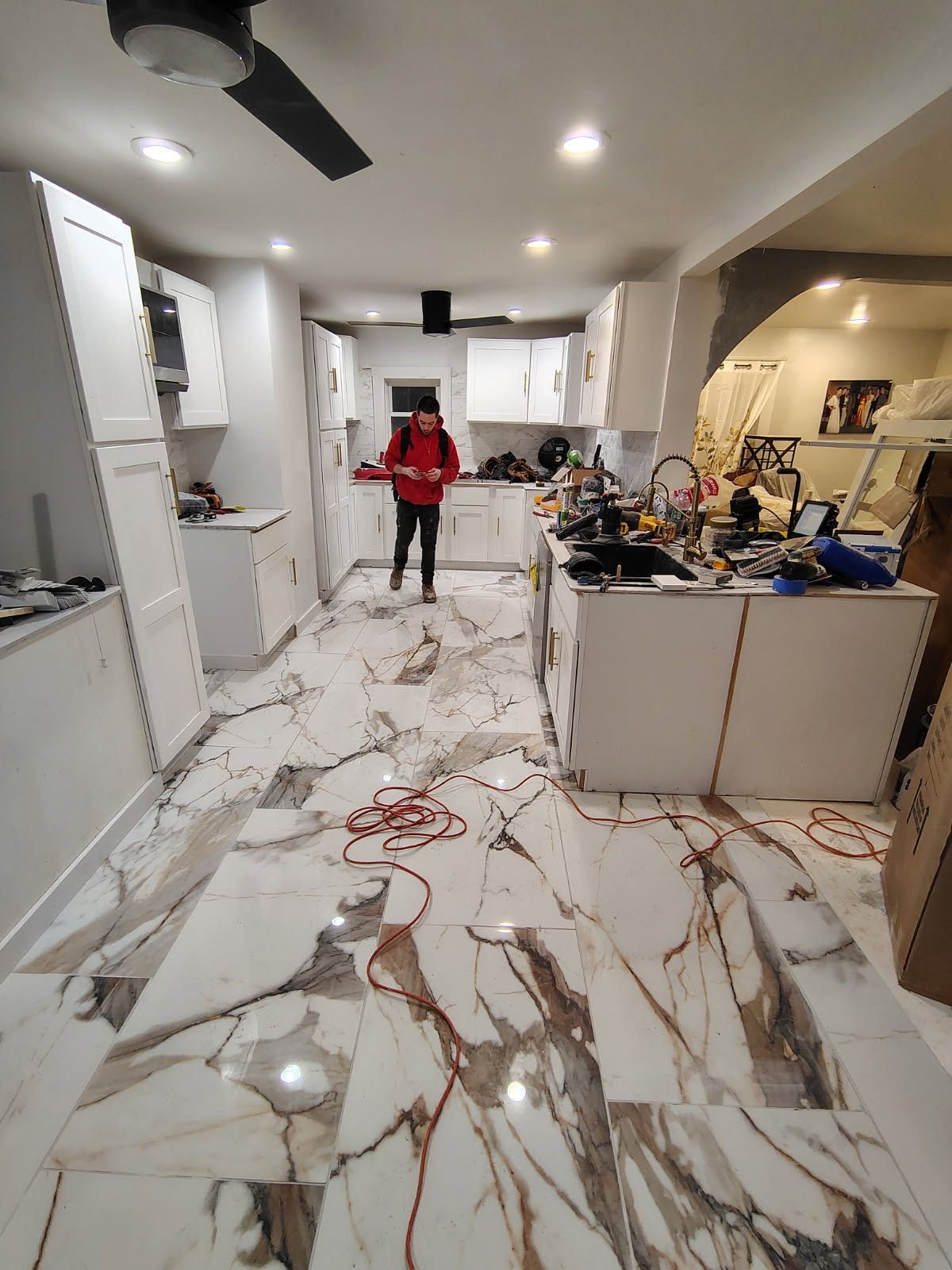
Once the tile is set and grouted, you notice a flat, consistent surface with uniform grout joints, no lippage between tiles, and corners that align without gaps. Shower floors slope correctly toward drains, eliminating standing water, and transitions between tile and other flooring sit level without tripping edges. Country Dad's Construction coordinates installation timing with plumbers and electricians, ensuring rough-ins are complete and inspected before tile locks them in place, preventing costly removal and rework.
Installation timelines depend on substrate condition and the number of trades involved—bathroom renovations often require plumbing valve relocation and electrical updates before tile begins. Tile work includes layout planning to minimize small cuts at visible edges, but does not include plumbing fixture installation or vanity setup, which follow after grout cures. Change orders are documented in writing when substrate damage or hidden plumbing issues extend prep work beyond the original scope.
Common Questions About This Service
Tile installation for kitchens and bathrooms in Waterloo-area homes requires attention to moisture barriers and substrate stability, especially when integrating with other renovation trades.
What preparation is required before tile installation begins?
Substrate must be assessed for rigidity and moisture resistance, plumbing and electrical rough-ins must be inspected and approved, and underlayment may need reinforcement or replacement depending on the age and condition of existing framing, particularly in older Waterloo homes where floor systems were not originally designed for tile weight.
How does freeze-thaw impact tile longevity in this area?
Grout and mortar formulations rated for freeze-thaw cycles prevent joint cracking in exterior tile applications and unheated spaces, while proper substrate waterproofing stops moisture infiltration that expands during freezing and damages the bond layer.
What tile materials work best for high-moisture areas?
Porcelain and glazed ceramic tile resist water absorption better than natural stone, and grout sealers are applied after curing to prevent staining and moisture penetration in showers and tub surrounds.
When should tile installation happen during a renovation?
Tile work begins after plumbing and electrical rough-ins are complete and inspected, but before vanities, toilets, and fixtures are installed, allowing access to full wall and floor surfaces without obstruction.
What does tile installation include beyond setting the tile?
Installation includes substrate prep, waterproofing membrane application in wet areas, mortar application, tile cutting and layout to minimize visible seams, grouting, and cleanup, but does not include fixture hookup or trim carpentry around tile edges.
Country Dad's Construction coordinates tile installation with all related trades to prevent delays and rework, managing permits and inspections in-house for bathroom and kitchen renovations. Request a detailed estimate based on your current floor and wall conditions and the scope of plumbing or electrical updates required.